Showing posts with label cat grooming. Show all posts

Thursday

Persian Kitty

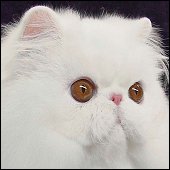
Persian Cat. Image taken from http://www.pandecats.com

The Persian is the most popular breed of cat in the world - and one of the oldest. As their name suggests, Persians originate from the country that was once Persia, now Iran, in the Middle East. Its long coat was most likely a mutation which came about naturally to deal with cold weather. Originally called a Longhair the Persian first was noticed in Europe in the 1600's. It is thought that this was the first registered and shown cat breed. They were called Longhairs until the l960's in the U.S. In Britain the are still using the name Longhairs and each color variety is treated as a separate breed. The Persian cat of today is the result of crossing the Angora and the Maine Coon.

"The ideal Persian should present an impression of a heavily boned, well balanced cat with a sweet expression and soft, round lines. The large round eyes set wide apart in a large round head contribute to the overall look and expression. The long thick coat softens the lines of the cat and accentuates the roundness in appearance."
The Cat Fanciers Association Breed Statement


Medium to large in size is what to look for in a Persian cat. The body is stocky and wide sitting low on its legs. The legs are heavily boned, short, heavy and straight. The coat is very thick and can be as much a 6 inches long. It is double very heavy and lively. This cat requires a great deal of grooming. Daily combing or brushing with a metal toothed comb or a natural bristle brush or a brush with wires is necessary. This cat sheds year round and dead hair must be combed or brushed out daily to avoid hairballs and matting.

Tips on cleaning persian kitty ears :
Clean ears with a cotton ball or Q-Tip, but only clean out what you can see! Never enter the ear canal, leave that to the vet! Do ears after the bath. Be careful not to allow water from the bath into the ears, and cautiously around the mouth and nose not to drown your Persian kitty.


The color varieties in Britain each have their own standards where as in the United States all Persians, regardless of color, must vie to the same exact standards. This makes breeding difficult in that producing a silver Persian with the same head type and ears as most of the other color varieties is not easy. Persians are divided by color and then separated again into divisions into which most of the colors appear. The divisions incorporate the solid, shaded silvers, shaded goldens, cameos, and chinchillas.

Eyes in Persians:
Yes they water and even in a rust color in some localities! It is because of the breeding of extremeness. Please wash your Persian face daily and cautiously. Select a routine time to clean the face and groom the kitten. Don't allow the eyes to become infected by not cleaning them regularly. I also have an article on the grooming page to help with eye stains and cleaning them. I suggest a boric acid wash each day esp on the bi-color persian faces. We mix this 1 tablespoon of boric acid powder to 12 oz of boiling water. Keep this container sealed and apply on a makeup pad to clean the face, each wipe actually cleans even more. Then if the stain isn't washing off, apply some eye and wound powder to the fur around the bottom of the eye.


Also seen are smoke's and tabby tortoiseshell and particular or bicolor.. There are also shaded versions of the solid colors. Eyes must be copper with the exception of the silvers that have a blue green eye color and the goldens have green to hazel eyes. The Himalayan is the newest division in most cat associations. The Persian cats that are lilac point, blue point. chocolate point, seal point, red point, tortie point and lynx point are considered Himalayan. These all must have blue eyes.

Persian KittyThe Persian cat is a very lovable animal who is calm, and gentle. He loves to be petted and shown a lot of attention. But Persian also can take care of itself without too much entertaining by humans.

Tuesday

Tips on Grooming Your Cat

“Tips on Grooming Your Cat”


Cats are basically very tidy creatures. They are in the habit of grooming themselves by licking every part of their body clean with their tongue.

This habit of tongue-bathing has several benefits to your pet cat :

- promotes better circulation of the blood
- gets rid of dead skin cells
- removes excess/dead hair on their coat
- tones their muscles
- keeps the fur soft and clean

Although your feline friends groom on their own, you should still do your part in keeping your cat clean and well-groomed.

Here are several ways to keep your cat well-groomed :

1. Brushing

Depending on the breed, your cat can either have long or short hair. Make sure that you brush your cat’s coat well enough to promote proper grooming.

-For cats with short hair, use a brush with soft bristles so that the skin will not be scratched or hurt in the grooming process.

Use soft, gentle strokes while brushing. This should make them purr in pleasure and you will have an easier job of grooming your pet cat.  

After brushing the coat with a comb, you can finish the job by wiping the fur with a dry, soft and clean piece of cloth. This should maintain the shine on your cat’s coat.

-As compared to cats with shorter hair, long-haired cats would require more brushing time.

For this, use a comb with wide-teeth that is specially designed for cats. This should initially remove the knots and tangles on their fur.

Afterwards, you can use a fine-toothed comb to work the smaller knots on the fur and eliminate the more stubborn knots.

Do not forget to brush the hair around the face with a smaller comb or a toothbrush.

Avoid the eye and whisker area when brushing.

Brushing your cats fur on a regular basis will help keep their coat shiny and healthy, and will also give the owner and the pet some bonding time together.

2. Bathing

Cats do not often require bathing because they basically take good care of  themselves when it comes to grooming.

However, there are some cases wherein you need to give them a bath no matter how you – and your pet – dread the chore.

You need to bathe your cat if the coat has excessive dirt.

Sometimes, a substance that can possibly poison them sticks on the fur and it is vital to give them a bath in this case.

Another instance where you need to bathe your cat is in case of fleas, ticks and lice clinging to their skin.

3. Cleaning the eyes and ears.

For the eyes and ears which are the most sensitive areas in your cat’s body, there are solutions that you may use.

Choose one which is specifically designed to prevent cats with light-colored eyes to develop stains.

For the ears, cats collect a considerable amount or wax so you have to take care of it when grooming.

Removing this would maintain your cat’s health and help prevent infections.

There are also cat wipes that you can use for the ears, eyes and teeth.

4. Keeping the paws clean.

Cats are in the habit of scratching surfaces so it is better to keep them away from the furniture items in the house. It would also help if you keep those paws clean and trim their nails.

You can go to a pet store and buy a nail trimmer specially designed for cats.  

Ask your veterinarian for the proper way to trim your cats nails so as not to hurt them in the process.

If you find that your cat exhibits a not-so-healthy clawing habit, you may go for the option of declawing your cat.

This is a surgical procedure where the nails are permanently removed so that it will not grow back.

However, you should still ask your vets advice if you want to go for declawing because with this, cats will lose a natural defense mechanism.

A better and kinder option is to regularly trim the cat’s nails, have them use a wooden post for scratching, or crate-training to prevent them from clawing at your most-treasured possessions.

By following these tips and making time in your busy schedule to groom your cat, you would have a healthy and happy cat and be a happy owner as well.


How to have a happy cat

"Taking Care of Your Cat”

A healthy animal makes for a happy pet. If you are a cat owner and you want to make your pet happy, you need to make sure that your cat is groomed properly, fed on time and is given enough love and attention.

Here are some tips on how you can have a healthy and happy cat :

1. Take care of your cat's health.

As a pet owner, it is your responsibility to make sure that your cat is healthy and free from diseases that may even be transmitted to humans.

Visit the veterinarian if you notice that your cat has become lethargic or less active than usual.

If you see them 'shedding' excessively or has something unusual on their coat, immediately consult a professional.

Your cat might have a skin disease, or this could be a symptom of a sickness that you do not know about.

2. Groom your cat properly.

Cats are in the habit of grooming themselves. You will often see them using their tongue to clean their coat.

In spite of this, you should still do your part in grooming your cat if you want to keep them really clean.

Brush your cat's fur regularly. There are several short-haired cats that need minimal brushing. For this, you can use a comb with soft bristles.

There are also cat breeds which have long, silky furs and this variety needs a much longer grooming time.

Use a wide-toothed comb initially then brush up with a fine toothed one afterwards. You can also use talcum powder in order to separate the hair strands.

Make sure that you brush with gentle strokes so that their skin will not be hurt or scratched.

Cats are also not that fond of taking a bath. But there are times when your cat would need bathing.

This is when they have accumulated a lot of dirt on the skin and coat. Bathing will help eliminate ticks and lice.

Also, there might be substances that could cling on the fur which can be poisonous and it is important for them to bathe.

When bathing your pet, use a shampoo that is specially made for cats.
Prepare the following before bathing:

-a small tub or sink
-slip-proof mat
-water spray attachment
-clean, dry towels
-shampoo
-comb


Adjust the water temperature, then place your cat in the small tub or sink before filling it up with water. It is better to attach a sprayer in the faucet rather than pouring water directly onto its body. Apply a liberal amount of shampoo on the cat's body, and try to avoid the face, especially the eyes and ears.

After rinsing, towel them dry and comb the coat. Bathing time should build trust and create some quality time between you and your pet cat.

This should prevent your cat from making much of a fuss the next time it needs a bath.

Another part of grooming is keeping the eyes, teeth and ears clean. Also remember to keep the paws clean and the nails trimmed.


Go to a pet store and you are sure to find products specially made to clean these parts. You can also look for a nail trimmer specifically designed to use on your pet cat.

Ask a professional groomer or a veterinarian so that you can learn how to properly clean your cat's eyes, ears, teeth and nails.

3. Feed them on time.

Another aspect of keeping your cat happy and healthy is by feeding them well and on time.

Your feline friends can learn how to "stick" to a schedule with your guidance and training.

Make time in your busy day to feed them. You can learn which variety of cat food they prefer by serving different brands and variants.

Along with cat food, you should give them plenty of clean water to drink.

If you have a lot of pet cats, give them individual feeding plates.

If there is just one dish, other cats might not be fed well because dominant felines will take the most part of the food that you serve.

4. Shower them with love and attention.

By giving your cats your undivided attention while grooming and feeding them, you are already showering them with love and attention.

In addition to this, make their play time a lot more fun by appreciating the things that they do.

By following these tips, you are sure to have a healthy cat and be a contented owner.


Friday

Grooming your pet cat

As an owner, it is your main responsibility to keep your pet animal clean, healthy and happy. If you have a pet cat, you will not have much trouble grooming them because they basically keep themselves clean. Cats have a natural tongue-bathing habit which keeps their coats clean and shiny. In spite of the fact that cats can take care of themselves when it comes to grooming, you should still do your part as an owner in keeping your feline friends well-groomed.

Always brush their coat or fur. Use soft, gentle strokes while brushing so that their skin will not be harmed.  Wipe the coat with cloth after brushing. Do this on a regular basis to maintain the luster on your pet cat’s fur.

Bathing your cat is not always necessary, especially since cats by nature dislike water. Still, if the fur is excessively dirty, then you should give your cat a bath. Bathing your pet cat will also help remove or lessen the ticks or lice that may be clinging on their coat. In bathing your cat, use a shampoo and other cleaning products that are specifically made for them. Try to avoid the sensitive areas like the face, mouth, ears and eyes. Afterwards, rinse your cat’s body dry using a towel. Do not apply heat to dry, most cats are sensitive to heat.

Aside from the cat’s fur or coat, you should also keep its other body parts clean. The claws should be kept short, especially if your cat is always inside the house and may resort to scratching your furniture or carpet. Go to a pet shop and get the professional groomer to teach you how to trim the cat’s nails. Finally, there are a lot of products that can be bought in the pet shop to clean their eyes, ears and teeth. Keeping your cat well-groomed will let you have a better play time with them. Also, by grooming your cat properly, they will not be susceptible to disease.

Wednesday

Help Prevent Cat Hairballs

Help Prevent Cat Hairballs

Cats are fastidious animals. They like things clean and apparently one thing they like clean the most is themselves. Therefore they spend an excess amount of time just grooming. The act of licking themselves helps to untangle and remove loose hair. Their tongues are specifically made for the task. They are covered with little bumps and toward the center of the tongue is tiny barb-like bumps that act to snag the hair. Unfortunately, this habit of grooming can lead to the formation of hairballs.

Cats are unable to digest the hair they swallow. However, they are able to have the hair pass through the digestive system in small amounts. A problem is caused if the cat is most likely low on fiber, which renders it incapable of passing the hair. The hair builds up and forms a hairball. The hairball can develop either in the stomach or toward the back of the throat.

The distressed cat begins to cough and attempts to throw-up the hairball. For the loving cat owner, the gagging and retching is worrisome not to mention the annoying cleanup afterwards. While the occasional hairball is probably nothing to be too alarmed about, frequent hairballs could be a cause for concern. Constant hairballs can result in digestive track troubles such as loss of appetite and constipation.

You cannot eliminate your cat from swallowing all its loose hair. However, there are actions you can take and natural remedies along with commercial products that you can use. The best way is combing or brushing your cat to prevent swallowing as much hair as possible in the first place. Longhaired cats should be combed or brushed daily and shorthairs probably only require it once or twice a week.

If your cat needs more assistance with its hairballs, there are commercial products that can be applied to the top of its front paws. The cat will attempt to lick these off; which will aid in the hair passing through the digestive system. People have used other similar lubricants such as Crisco All Vegetable Shortening, mayonnaise or butter as a substitute to these store bought products. Yet be careful, because the use of these can cause other digestive problems. Then again, some people have used Vaseline though this also should be applied only occasionally. It is recommended that you check with your veterinarian on the use, frequency and amount of any of these products before administering them to your cat.

You may also feed your cat specially made cat food diets and treats that are intended to prevent the development of hairballs. Another interesting solution is to mix in about a teaspoon of canned pumpkin to your cat's normal food. One more method used as a preventive is to feed your cat grass a couple of times a week. You can grow the grass indoors. Rye, wheat or oat grasses are the best types to use and can be purchased at pet stores or on the Internet. Do not feed your cat grass from a chemically treated lawn.

Still, it must be noted that cats will throw-up for various reasons. Some of these may be from serious underlying conditions. Therefore before attempting any of these remedies, it is advised that you consult with your veterinarian to rule out any other illness and to see which, if any of these solutions should be tried. Along with your vet's help and one or more of these suggestions, it is possible that your cat will be able to live virtually hairball free.

Published by : Brur

Help Prevent Cat Hairballs

Cats are fastidious animals. They like things clean and apparently one thing they like clean the most is themselves. Therefore they spend an excess amount of time just grooming. The act of licking themselves helps to untangle and remove loose hair. Their tongues are specifically made for the task. They are covered with little bumps and toward the center of the tongue is tiny barb-like bumps that act to snag the hair. Unfortunately, this habit of grooming can lead to the formation of hairballs.

Cats are unable to digest the hair they swallow. However, they are able to have the hair pass through the digestive system in small amounts. A problem is caused if the cat is most likely low on fiber, which renders it incapable of passing the hair. The hair builds up and forms a hairball. The hairball can develop either in the stomach or toward the back of the throat.

The distressed cat begins to cough and attempts to throw-up the hairball. For the loving cat owner, the gagging and retching is worrisome not to mention the annoying cleanup afterwards. While the occasional hairball is probably nothing to be too alarmed about, frequent hairballs could be a cause for concern. Constant hairballs can result in digestive track troubles such as loss of appetite and constipation.

You cannot eliminate your cat from swallowing all its loose hair. However, there are actions you can take and natural remedies along with commercial products that you can use. The best way is combing or brushing your cat to prevent swallowing as much hair as possible in the first place. Longhaired cats should be combed or brushed daily and shorthairs probably only require it once or twice a week.

If your cat needs more assistance with its hairballs, there are commercial products that can be applied to the top of its front paws. The cat will attempt to lick these off; which will aid in the hair passing through the digestive system. People have used other similar lubricants such as Crisco All Vegetable Shortening, mayonnaise or butter as a substitute to these store bought products. Yet be careful, because the use of these can cause other digestive problems. Then again, some people have used Vaseline though this also should be applied only occasionally. It is recommended that you check with your veterinarian on the use, frequency and amount of any of these products before administering them to your cat.

You may also feed your cat specially made cat food diets and treats that are intended to prevent the development of hairballs. Another interesting solution is to mix in about a teaspoon of canned pumpkin to your cat's normal food. One more method used as a preventive is to feed your cat grass a couple of times a week. You can grow the grass indoors. Rye, wheat or oat grasses are the best types to use and can be purchased at pet stores or on the Internet. Do not feed your cat grass from a chemically treated lawn.

Still, it must be noted that cats will throw-up for various reasons. Some of these may be from serious underlying conditions. Therefore before attempting any of these remedies, it is advised that you consult with your veterinarian to rule out any other illness and to see which, if any of these solutions should be tried. Along with your vet's help and one or more of these suggestions, it is possible that your cat will be able to live virtually hairball free.

Tuesday

What Every Cat Lover Should Know About Cat Health

By Peter Lenkefi


Our pets can sometimes be as close to us as members of our family, that’s why cat owners will want to know as much as they can about cat health. The following are the major things to know about caring for your cat in a loving way:

DIET: Cat health is strongly affected by what your pet eats. Obesity is a major factor in heart disease particularly as you cat gets older. Choose a pet food for your cat that is right for it’s age but feed it regularly. Consistency is the key to a well-fed pet.

GROOMING: Longhaired cats should be groomed regularly for optimum cat health. Use a pet brush and groom no less than once a week.

LITTER: The litter box can be a danger to both cat health and human health if it isn’t cleaned regularly. Change your pet’s letter no less than once every four days and keep a small dish of baking soda near the litter area.

ELDERLY CATS: Some diseases occur because your pet gets older. These can be labeled elderly cat health problems. As cats age their kidneys and eyesight fail and may need special diets.

SCRATCHING: Scratching is a major cat health concern because if a cat scratches regularly it is often a sign of other problems. If your cat is scratching an area a lot try a delousing product and then take your pet to the vet.

BEHAVIOR PROBLEMS: Many cat health problems relate to difficult or uncommon behavior. Listlessness can be a symptom of depression. Strange aggression is sometimes caused by hormone imbalances.

DECLAWING: Choosing to declaw can be a major factor in Cat health. If you choose to declaw your pet it is important to remember to keep them inside at all times.

PARASITES: Parasites like ringworm, heart worm and rabies can greatly affect cat health. Blood in a cat’s stool or uncommon appetite are common signs of parasites.

STRESS: Stressful situations like moving, travelling, natural disasters or even changes in the family can affect cat health. To minimize the effects of stress on your pet, purchase a tranquilizer for distance travelling and have a place in your home where your cat can escape if there are busy changes in the house.

POISON: Part of managing cat health is making sure dangerous poisons like antifreeze are inaccessible to your pet. Some plants are fatal to cats so make sure to raise your plants and lock your toxins.

MOUTH: Cat’s often have mouth diseases and this can impact cat health. Cat’s are just as prone to gingivitis as humans and cats can also develop. For problems like rodents ulcer or bad breath, brush your cat’s teeth with a small child’s toothbrush.

INDOORS/OUTDOORS: One of the greatest factors in determining cat health is whether you cat goes out of doors. Cars, children, other animals and toxins are all dangerous and should be avoided by keeping your cat indoors.

Cat health is an issue that concerns us all and hopefully this article has provided you with information that will make your cat’s life safer and healthier.
Related Posts Plugin for WordPress, Blogger...